
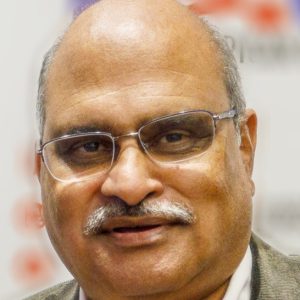
Rasheed Ahmed serves as Director of the Center for the Study of Islam in India (CSII) at American Islamic College, where he leads the Center’s academic programming, research initiatives, and community engagement efforts. A mission-driven institution builder, Rasheed works at the intersection of faith, philanthropy, and inclusive development, with a particular focus on South Asian Muslim communities and their civic, intellectual, and philanthropic contributions. Rasheed is the founder of the Center in South Asian Studies and brings more than three decades of experience in nonprofit leadership, institutional development, and cross-sector bridge-building. His career has spanned corporate management, marketing, and technology, as well as sustained leadership in Muslim civil society. He previously served as Executive Director of the Islamic Medical Association of North America (IMANA) and as Treasurer of the World Congress of Muslim Philanthropists. He co-founded the US-India Policy Institute and the Center on Muslim Philanthropy, two organizations that reflect his long-standing commitment to integrating policy, faith, and civic agency. Rasheed serves as an Advisor to the Dean of the Lilly Family School of Philanthropy at Indiana University, where he contributes to ongoing conversations on Muslim philanthropy, inclusive giving, and the role of faith communities in social transformation. His work is grounded in equity, public service, and the conviction that rigorous intellectual inquiry and community engagement are not competing imperatives but mutually reinforcing ones. CSII reflects and extends American Islamic College’s founding commitment to advancing knowledge that is both academically rigorous and rooted in the lived experience of Muslim communities. At CSII, Rasheed brings this integrative vision to the study of Islam in India — supporting research that is historically grounded and attentive to the realities of one of the world’s largest Muslim populations. Whether cultivating institutional partnerships, mentoring the next generation of social impact leaders, or navigating the complex civic landscapes facing Muslim communities across South Asia and the diaspora, he approaches each endeavor with clarity, conviction, and care.